A key to help you on your simplifying journey

When I began my journey of intentional minimalism, I had one thought it mind. “Get rid of junk before moving!” 

I was expecting our first baby and sorting through the home, trying to get rid of as much as I could before moving to our new home. We weren’t hoarders by any means but the excess stuff we had accumulated between my husband and myself was just too much to deal with. As anyone who has moved house knows, you always have more stuff than you realised.

I have always been a minimalist at heart and preferred to live more lightly. I just didn’t know that there was a name for it! As I prepared for the move, I began to read books on decluttering and look for sites that could help. That’s when I came across the term ‘minimalism.’ It was exciting to me! Finally others understood my overwhelm and need to live with less. As I donated, recycled and trashed items, I felt a sense of relief. I was determined to make our move easier and continue to live simply afterward. That was my goal and purpose. 

Do you have a clear purpose in mind?

As you can see, my purpose for decluttering was to get ready for our move and also be less stressed when our new baby arrived. Yet as my journey continued, my purpose and vision for simplifying changed. But that’s okay. The point is that I always had a reason for decluttering and simplifying my life. Without one, I would have given up at some point and not been able to experience the clear benefits of minimalist lifestyle.

Whenever I help someone at the beginning of their minimalist or decluttering journey, I ask them to write some things down beforehand. To make some sort of plan. Without a plan, it is too easy to give up along the way because you aren’t sure of why you are even doing this hard work and what the end result will be. Having a clear goal of vision lets you know when you have met your own sweet spot with decluttering. Not that minimalism has a clear end because I believe it is fluid. Your wants and needs will change with the seasons of life and so will your decluttering needs. But you will know what feels right for you. Just enough.

Here are some questions to ask and ways you can make a plan or define your purpose for decluttering.

  1. What is my vision for my home and life? (You may want to save pictures that reflect your desired outcome.) Is it clean, clutter-free, stress-free, inviting?

2. You may come up with a slogan or mantra that describes the feeling or goal for your home. E.g: One year mine was ‘a calm and orderly home’. Now it is ‘to live more lightly in my heart and home’. One of my readers has the word ‘serene.’

3. What are the benefits you expect to happen after you have cleared your home? Make a list. E.g. I will have less housework to do. More time to spend with the kids. Less stress in the family with less stuff to manage.

4. Reward yourself when you have reached certain goals. I.e, when the kid’s rooms are decluttered I will take them out for ice-cream. Or once the bathroom is decluttered I will treat myself to a relaxing aromatherapy bath. This will help you stay motivated and train yourself that decluttering is a good thing!

5. Stay flexible. As there are new seasons in life, I try to stay flexible with the changes and allow my purposes to adapt. Right now we are in lockdown and the house is kind of full with different work and projects going on. My home isn’t very orderly and that’s okay for now. 

My purpose keeps me grounded when things change. When I remember what my purpose for living simply is, then I can get back on track without the feeling of overwhelm that I used to have. 

I hope you have found this post useful and look forward to hearing your purpose for decluttering. Until next time!
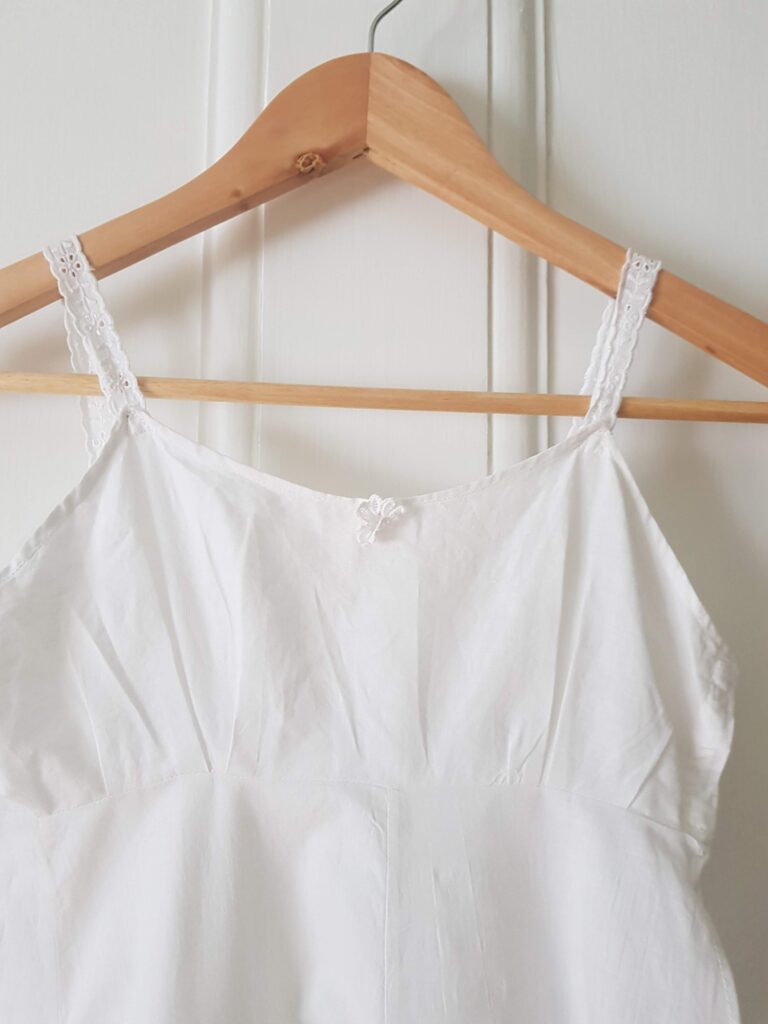
How to create an eco capsule wardrobe

Perhaps you have heard of a capsule wardrobe, but what exactly is an eco-friendly wardrobe and what are the benefits?

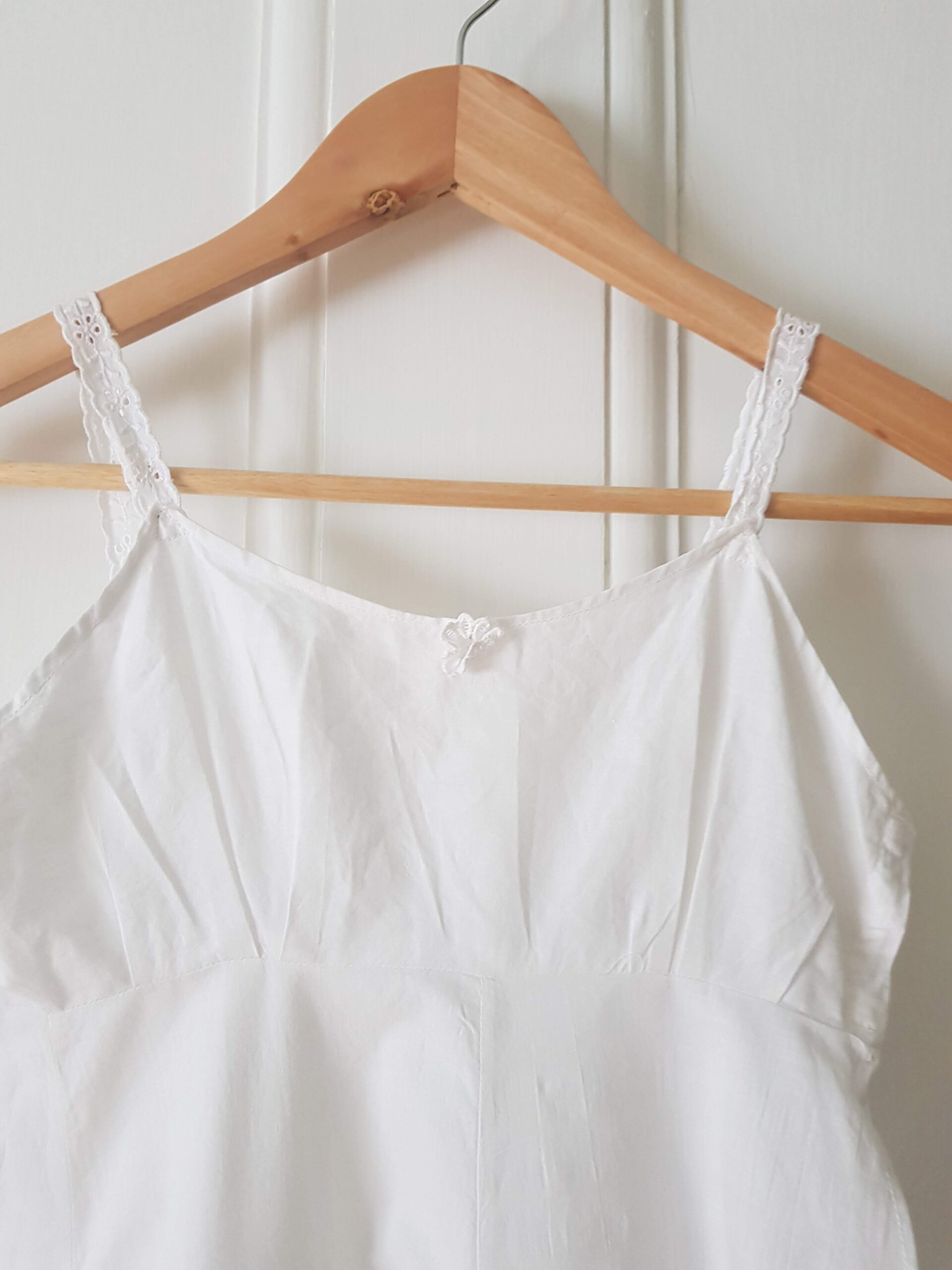
In short, an eco-friendly capsule wardrobe is a wardrobe with just the right amount of clothing for your needs, sourced in an environmentally conscious way, made with fibres that are both safe for you and the earth.

Before we dive into what that looks like, I want to share with you how I came to own an eco-friendly wardrobe and why. I have always enjoyed buying second-hand, especially scouting local op-shops like I’m on a treasure hunt! Finding the right piece is a great feeling and I don’t think I’l ever stop buying clothes this way.

Right around the time my first daughter was born, I started to be a lot more conscious of products and then fabrics that were on her skin. I have a background in Natural medicine so I was always interested in living a natural non-toxic lifestyle, yet for some reason I had not paid attention to what we wear wearing and the effects of fabrics on our health and our planet.

After doing some research I decided to do my best to buy organic cotton baby wear which at that time was a lot more expensive than it is now. That also lead to me thinking about more natural fibres for my own clothing.

Benefits of natural fibres

Here are some health and eco benefits of natural fabrics:

Linen: Derived from the flax plant. Breathable, hypoallergenic, durable, antibacterial qualities, provides protection against UV and chemicals. Helps regulate body temperature.

Organic cotton: Breathable, durable, soft, hypoallergenic. Free from chemicals, toxic dyes and treatments. Low carbon footprint (if certified).

Hemp: Derived from the cannabis plant. Strong, durable, holds it’s shape well, naturally resistant to mould. antimicrobial properties, UV resistant, breathable, absorbent. (Softens with time).

Bamboo: Derived from the bamboo plant. Super soft, antibacterial, highly breathable, antimicrobial, durable, gentle on the skin. Unfortunately the chemical process of making bamboo fabric is much the same as rayon. A brand named Tencel uses the Lyocell process which is a more sustainable system using fewer chemicals.

Jute: Long and shiny fibres spun to a coarse thread. 100% biodegradable and recyclable.

Non vegan natural fibres:

Silk: a protein based fibre spun by the silk worm. It is strong, breathable, hypoallergenic, natural lustre, anti-fungal properties, gentle on the skin.

Cashmere: a fibre obtained from Cashmere goats and other types of goats. Luxurious, soft, smooth and very warm.

Mohair: a fibre obtained from the Angora goat. Very soft to touch. Heat regulating properties.

Pure wool: Durable, hypoallergenic, temperature regulating, mould and mildew resistant, non-toxic, recyclable, pesticide free, naturally fire-retardant, lower heart rate, improved sleep.

Note: Certified Organic wool options available to ensure no pesticides, parasiticides or dyes are used.


Sustainable clothing certifications:

  • Global Organic Textile Standard (GOT): Certified organic textile
  • Oeko-Tex: Chemical-free and toxin-free
  • Bluesign: Smallest ecological footprint (water emissions, air emissions, occupational safety, etc.)
  • Fair Trade Certified: Workers in safe conditions and good pay

When I began being more of an intentional minimalist I adopted the capsule wardrobe idea but also started to pay close attention to labels and what things were made of. I definitely felt better in cottons and other natural materials over synthetic. Not to mention that as I began to learn more about the process involved in producing fast fashion. I really became passionate about avoiding clothing that was doing harm to the people who made them as well as the environmental impact.

For more information watch: The truth cost documentary.

Here are some simple ways to start creating your eco-friendly wardrobe:
  1. Start slowly, there is no need to do a big overhaul of your wardrobe at once. Take note of what you truly love and wear.
  2. Select all of the clothing that you love and wear regularly. Donate unworn clothing in good condition to your local charity or local buy nothing groups. For clothing beyond repair try to repurpose them or give to a recycling project. 
  3. When you have pieces that need to be replaced, shop at your local charity store or eBay for clothing made out of natural fibres such as linen, cotton, wool, silk or hemp. Organic cotton is great but often hard to find second-hand. If it is a key piece in your wardrobe you may want to look at buying this new from a sustainable clothing company in your Country.

4. Learn to mend clothing yourself to increase its longevity. (I personally find this deeply satisfying!).

5. If you are skilled at sewing then you could easily transform pieces from your own wardrobe or that you find second-hand that aren’t quite right.

6. Learn to enjoy the simplicity of a minimalist wardrobe and keep one of something where possible. For example I have one silk scarf which I used to keep for special occasions but now wear regularly because it is my wardrobe staple. One pair of winter shoes serves me well as does one pair of summer sandals. 

7. Don’t follow the trends. Stick to what you know suits you. The French understand this concept well and prefer to buy classic pieces made to last.

Slow fashion is the most sustainable of all. Wearing clothing to its full potential is a lost art. I say we bring it back;)

For more wardrobe inspiration be sure to check out this post: https://minimalistmegan.com/?p=224

My Minimalist book collection-how I reduced my books

I love books! I just thought I would get that out of the way before sharing about my minimalist book collection!

Pairing down my fairly large library of books has been a process. In most areas of my life i am pretty minimal but this was one area where I hung on to too much.

If you love books but feel like you have too many to read and enjoy then this post is for you!

Why reduce your book collection?

Firstly you may be wondering why I felt the need to declutter my books in the first place since i am an avid reader. Well as i touched on above, I just had more than i could read and enjoy. Some of them had been sitting dormant on the shelf for years! One day, I told myself. But one day never came. Especially since I use my kindle more often now, i just didn’t go to my shelf to read.

As Marie Kondo says in her book, that the time has passed where we wanted to read it. This was true with many of my books. I no longer desired to read many of them but felt I should. There were others that I once enjoyed and referred back to that were no longer of interest to me. It was time to let go.

Letting go of more and more books has been like peeling layers off of an onion. Usually I would donate 10-20 books at a time. Finally I could see more clearly what I actually enjoyed and wanted to keep. This may change in the future where I may add new favourites and let go of others. Yet it seems I have reached a happy number for myself.

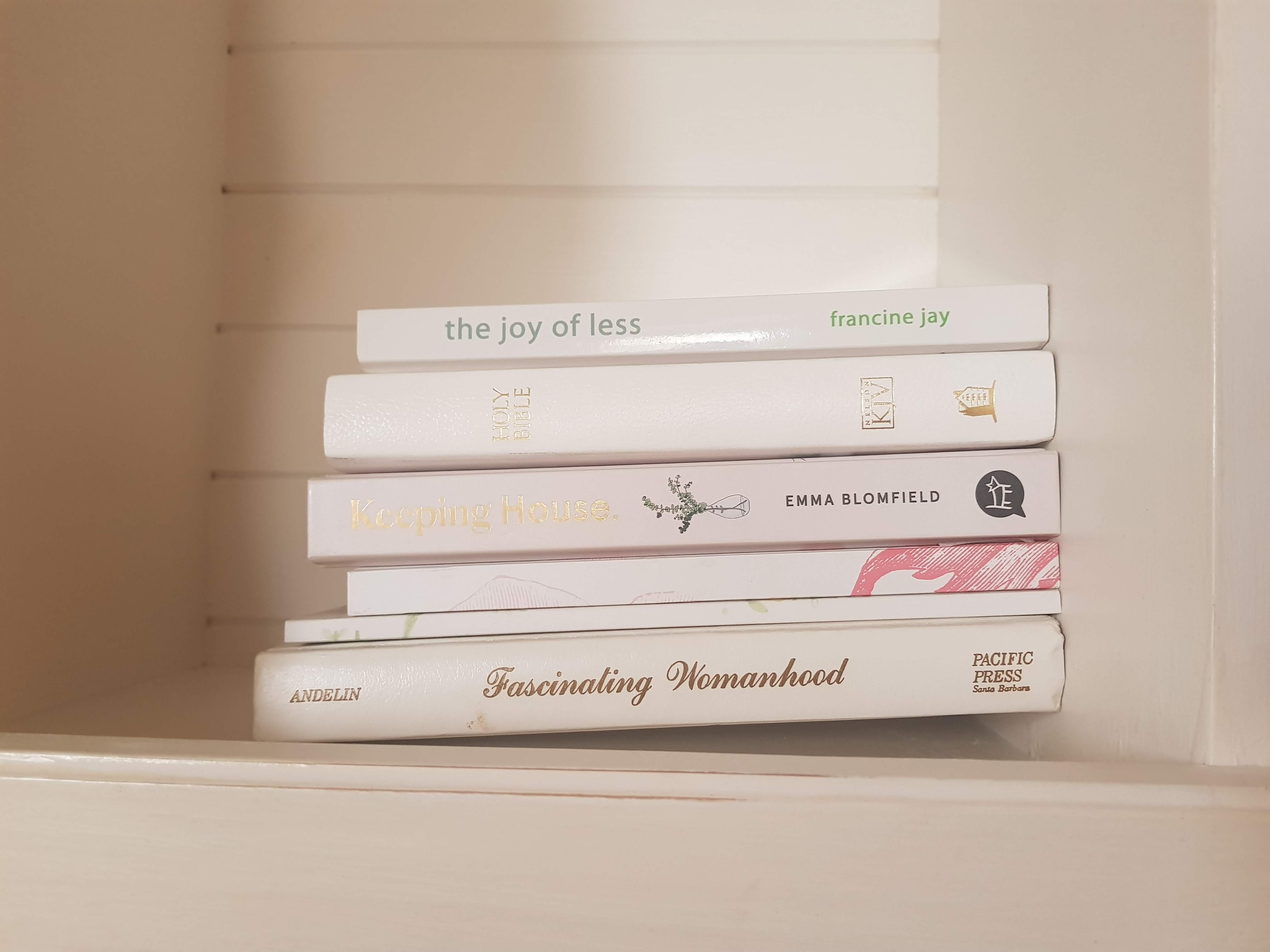
Recently I have really amped up my minimalist lifestyle where I want to live even more lightly. This decision means that only the essentials are staying for me. Or what I believe are essential for me to live lightly yet comfortably. This may seem extreme to other book lovers but this is where I have found my sweet spot. (5 books).

What are the benefits of owning a minimalist book collection?

Here are the benefits I have noticed:

  1. Knowing what books you own.
  2. Only keeping your favourites that bring you joy.
  3. Easier to move. (yes books can get very heavy)!
  4. Feeling emotionally lighter-I don’t have lots of books wanting my attention.
  5. Aesthetically pleasing-my books look beautiful on my shelf
  6. Easy to store and organize
  7. Living in the present-these are the books I need now!

There will be many other benefits to owning less books and I am positive you will feel more freedom by having a relevant selection of your favourite books.

A minimalist book collection should reflect who you are now

Creating a book collection is fun and liberating no matter what the amount you choose to keep. The most important point is that your minimalist book collection reflects who you are, now. What i mean by that, is that you love and enjoy every book you own. If you pick up a book and immediately don’t want to read it then chances are that isn’t going to change. Maybe you have some sentimental books that you are sure you cannot part with. I encourage you to consider if these books still hold sentimental value to you.

My philosophy is to let go off any book that isn’t fulfilling it’s purpose and being fully appreciated. If someone else out there could be enjoying this book then I’d rather pass it on instead of hold on to it.

Utilise other options rather than buying books

If you are struggling at all with letting go of books remember that there are other options for obtaining books or information again. Utilise the Library, charity stores, e-books, audiobooks, second-hand book stores and finally buying books new. Sharing books between family and friends is also a great idea if you have similar tastes. If you need certain information from reference type books then it can usually be found on the internet. I no longer want to keep books just because they have a few pieces of info in them.

In conclusion I am so much happier with my minimalist book collection and I’m looking forward to the good reads that await. 🙂

Living with the essentials-one simple question to ask

If you are already living a minimalist lifestyle and want to take things to the next level by living with the essentials, then there is one simple question to ask that can help you to reduce your belongings even further…

Can I live without this?

It may seem too simple but it works. If living with the essentials is your goal, then asking if you can live without this item can help clarify what you really need and what you don’t. As I continue on in my minimalist journey I am amazed how little I need to live a happy and comfortable life. I continue to whittle down in each area always asking if I would miss an item if I got rid of it and if it’s really essential to my daily needs.

Blocks to decluttering

During my minimalist journey I have come across a few stumbling blocks when decluttering. The main I had was finding future use out of something. We can be really creative when it comes to decluttering, coming up with all kinds of reasons why we will use something in the future. It is true, it may be useful and even serve a purpose now. However if i am not using this often enough then it is not really essential to my life. So I now ask this one simple question. Can i live without this?

Of course if something is essential and makes my life easier then i won’t get rid of it. Such as i could live without a washing machine if i really had to, but I choose to have one because it makes my life much more efficient by having one.

By asking if i can live without this? I am able to really cut through how important the item really is to me. It is easier for me to evaluate the importance of the item in question. It has enabled me to reduce my belongings considerably. I now realise that I actually use and enjoy only a small proportion of items in my daily life. Other things are just not essential and i won’t miss them if they are gone. In fact i will gain a-lot by letting go of the excess.

Often we hold onto things out of fear. Fear we will miss them or need them in the future. Fear that it will change our lives by not having them. The reality however is that we need very little to function and be content in our lives.

The key is contentment

The key is contentment. If we can be content with little, then we won’t need to worry about the extras that actually hinder us. Finding contentment with the simple things in life is a journey in itself. We are bombarded with so many messages that tell us we should want more. If we can stop listening to advertising and their false messages, then we can start to enjoy what we already have. We will come to a true understanding of what’s important to us personally.

What are the benefits of living with the essentials?

I have already mentioned that keeping the excess may hinder us, so what are the benefits to reducing to the minimum?

Time: Well for each of us it will look different. For me, the more I reduce the more time I have. Less time managing stuff means more time for the more important things. Being with and caring for my family. Reading, writing. My Faith. Health and other important things to me.

Less stress: Too much stuff equals chaos=stress. A calm and orderly home and life is a minimalist goal of mine. That reduces my stress level considerably. My family is also less stressed when things are running smoothly. It is important to realise that minimalism isn’t only about physical items but about reducing all of the excess such as a busy schedule and too many obligations. By reducing the unimportant tasks we will automatically reduce our stress and increase our time.

Flexibility: When stuff isn’t weighing us down and controlling our life then we have the flexibility to move lightly. Not only can we move home or travel more easily but we have the ability to take on opportunities that we normally wouldn’t because we have this stuff that some how holds us back. Think about how you would react if you suddenly needed or wanted to move, travel, take on a new job or do something completely different as a family. Maybe you want to open up your home to others. Would your thoughts turn to your stuff? How you would deal with it or how it is a problem? I know that for me the thought of moving had always made me cringe. Not because we were hoarders but it was just not simple or easy.

A clean home: This may be obvious but by keeping only the essentials, your home will be so easy to keep clean and tidy. Organising is simple because there is very little to organise in the first place. Not having to move around ornaments and ‘extras’ makes cleaning a breeze. I know that this has been a game changer for those who struggled with housework.

Mental rest: This ties in with less stress but have you ever thought about the impact that clutter and just stuff has on our brains? There are many studies on the effects but I will keep this simple but saying that our stuff demands our attention. Paperwork that we haven’t dealt with. Un-read books. Un-finished projects waiting for us to complete. Damaged clothing waiting to be repaired. Items that need dusting. It all requires a response from us. Even avoiding our stuff takes mental energy from us. Once we reduce to the minimum we have more clarity. Rest for our brains. I have found i am also sensitive to visual clutter. Too many patterns, colors and pictures on walls makes me tired. For the majority of us, a minimalist clean room helps us to unwind and relax.

By asking if you can live without this, you can also be reminded of what you will gain. The more i let go of non-essentials, the more confidence I get in living with less. I realise that my life will be easier and that if I do happen let go of an item that i may later need. It will be okay. Most things are replaceable. When it comes to my belongings, what i need to live a happy life is very little.

Minimalism and sentimental items

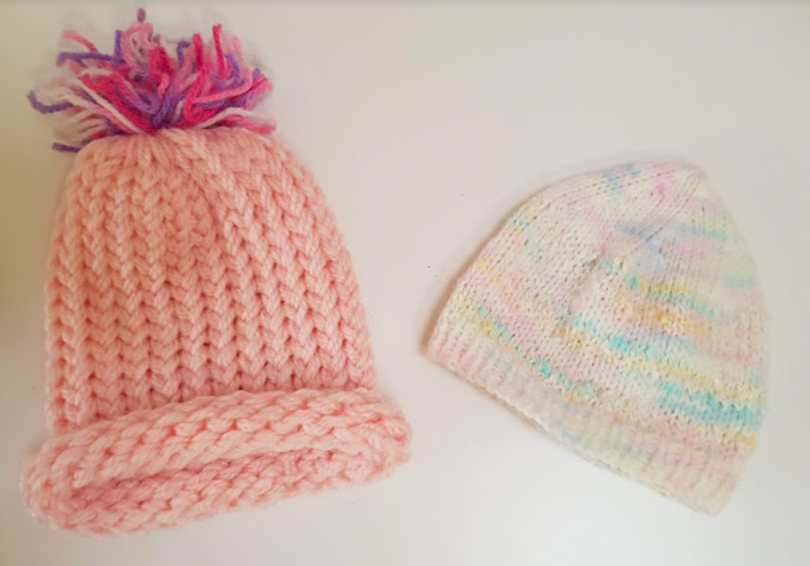
To most people these are just knitted baby hats. To me, they are meaningful. Something I wish to hold on to.

As I am building a keepsake box for our recent baby girl, it got me thinking about minimalism and sentimental items. How do we decide what to keep and what to let go of? I hope to give you some things to consider as you deal with this usually difficult area of sentimental items.

Firstly I want to share with you this quote I recently came across:

“When everything is precious, nothing is precious.”

Interesting thought! When we tend to pile everything together, no single item gets to shine so to speak. If I had kept every single newborn item from both of my girls, then would these little hats that meant so much to me have a chance to be seen? Appreciated? Cherished?

What makes an item Sentimental?

I have a handful of sentimental baby items that I have kept for both of our daughters. Each item was carefully selected as a keepsake. Each item has a personal story behind them which gives them their significance. I wish I could tell you of some special formula or checklist I apply when choosing sentimental items but it isn’t so simple. Sentimental items are different. It isn’t just about function or beauty, (although it may include them). These are items you hold close to your heart.

As I held the baby hat in my hands, a feeling came over me that I can’t quite put into words. It wasn’t a feeling of joy or nostalgia, but a deep sense of significance. Much deeper than logic alone. It represented many things to me. How tiny my baby girl was in the hospital. How sweet she looked in it. How it was the first item she possessed when she came into this world. And much more. More than I can even express.

And that’s the thing about sentimental items. No-one else can tell you what’s valuable, only you can decide that. It doesn’t need to make sense to anyone else.

As you are going through your belongings trying to decide what is truly meaningful, I suggest a few things.

  • Start off with the items that you know are important to you and you want to keep.
  • Spend some quiet time and hold each item. What feelings do you have?
  • If you like the item but it doesn’t hold much meaning, perhaps think of someone who would appreciate it more such as a family member if it is a family heirloom.
  • If you are unsure about letting go of something, would taking a picture of it help? Then you can revisit the photo any time you want to.
  • If an item makes you feel sad or unhappy there is no reason to store it away, it’s okay to let it go.
  • Sometimes you can repurpose or refurbish items to make them more useful or relevant to you now. Re-frame an old picture or restore an antique piece of furniture you inherited. That way you can enjoy the item and the memory now.

I truly believe that when you hold each item you will just know which ones have special worth to you. Sometimes it takes more than just looking at items.

minimalism and sentimental items

As a minimalist I try not to store items away but bring them into my daily life to be used. This also goes for sentimental items. If they are truly meaningful to me then I want to give them honor by displaying them or make them available to be looked at. My older daughter likes to look through her baby book and read the letters and stories in there. She can look through her keepsake box any time.

Things may change

Remember that over time the way you feel about your sentimental items may change. Just because they are sentimental, does not mean you need to keep them forever. You may find that when you re-visit an item it no longer holds meaning or memories. Maybe you no longer need the physical item because the memory lives inside of you. And that’s the beauty of minimalism.

For more inspiration:

https://thesimplehome.blog/?p=175