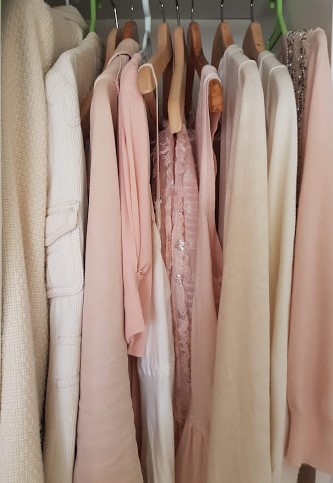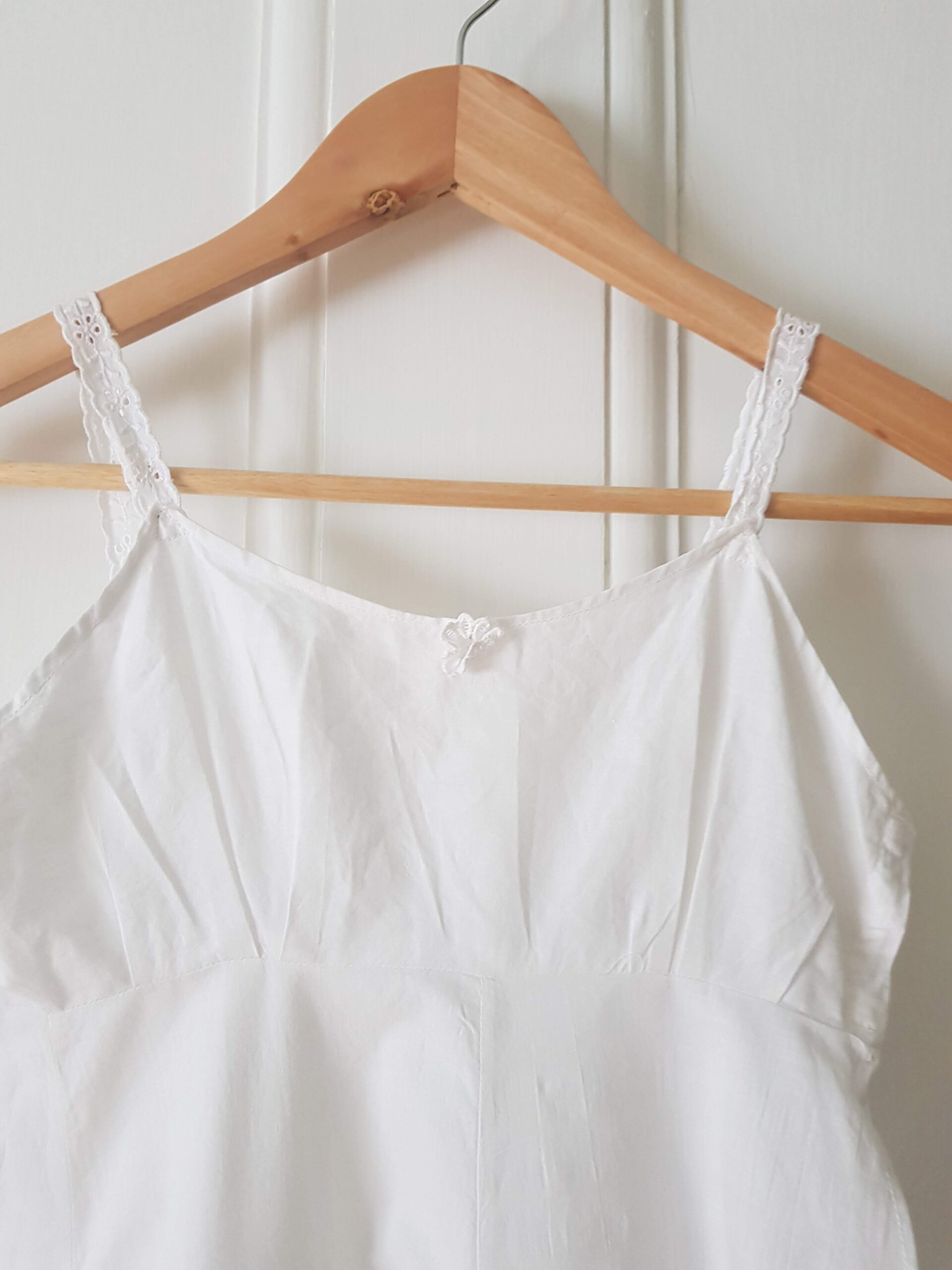
Perhaps you have heard of a capsule wardrobe, but what exactly is an eco-friendly wardrobe and what are the benefits?
In short, an eco-friendly capsule wardrobe is a wardrobe with just the right amount of clothing for your needs, sourced in an environmentally conscious way, made with fibres that are both safe for you and the earth.
Before we dive into what that looks like, I want to share with you how I came to own an eco-friendly wardrobe and why. I have always enjoyed buying second-hand, especially scouting local op-shops like I’m on a treasure hunt! Finding the right piece is a great feeling and I don’t think I’l ever stop buying clothes this way.
Right around the time my first daughter was born, I started to be a lot more conscious of products and then fabrics that were on her skin. I have a background in Natural medicine so I was always interested in living a natural non-toxic lifestyle, yet for some reason I had not paid attention to what we wear wearing and the effects of fabrics on our health and our planet.
After doing some research I decided to do my best to buy organic cotton baby wear which at that time was a lot more expensive than it is now. That also lead to me thinking about more natural fibres for my own clothing.
Benefits of natural fibres
Here are some health and eco benefits of natural fabrics:
Linen: Derived from the flax plant. Breathable, hypoallergenic, durable, antibacterial qualities, provides protection against UV and chemicals. Helps regulate body temperature.
Organic cotton: Breathable, durable, soft, hypoallergenic. Free from chemicals, toxic dyes and treatments. Low carbon footprint (if certified).
Hemp: Derived from the cannabis plant. Strong, durable, holds it’s shape well, naturally resistant to mould. antimicrobial properties, UV resistant, breathable, absorbent. (Softens with time).
Bamboo: Derived from the bamboo plant. Super soft, antibacterial, highly breathable, antimicrobial, durable, gentle on the skin. Unfortunately the chemical process of making bamboo fabric is much the same as rayon. A brand named Tencel uses the Lyocell process which is a more sustainable system using fewer chemicals.
Jute: Long and shiny fibres spun to a coarse thread. 100% biodegradable and recyclable.
Non vegan natural fibres:
Silk: a protein based fibre spun by the silk worm. It is strong, breathable, hypoallergenic, natural lustre, anti-fungal properties, gentle on the skin.
Cashmere: a fibre obtained from Cashmere goats and other types of goats. Luxurious, soft, smooth and very warm.
Mohair: a fibre obtained from the Angora goat. Very soft to touch. Heat regulating properties.
Pure wool: Durable, hypoallergenic, temperature regulating, mould and mildew resistant, non-toxic, recyclable, pesticide free, naturally fire-retardant, lower heart rate, improved sleep.
Note: Certified Organic wool options available to ensure no pesticides, parasiticides or dyes are used.
Sustainable clothing certifications:
- Global Organic Textile Standard (GOT): Certified organic textile
- Oeko-Tex: Chemical-free and toxin-free
- Bluesign: Smallest ecological footprint (water emissions, air emissions, occupational safety, etc.)
- Fair Trade Certified: Workers in safe conditions and good pay
When I began being more of an intentional minimalist I adopted the capsule wardrobe idea but also started to pay close attention to labels and what things were made of. I definitely felt better in cottons and other natural materials over synthetic. Not to mention that as I began to learn more about the process involved in producing fast fashion. I really became passionate about avoiding clothing that was doing harm to the people who made them as well as the environmental impact.
For more information watch: The truth cost documentary.
Here are some simple ways to start creating your eco-friendly wardrobe:
- Start slowly, there is no need to do a big overhaul of your wardrobe at once. Take note of what you truly love and wear.
- Select all of the clothing that you love and wear regularly. Donate unworn clothing in good condition to your local charity or local buy nothing groups. For clothing beyond repair try to repurpose them or give to a recycling project.
- When you have pieces that need to be replaced, shop at your local charity store or eBay for clothing made out of natural fibres such as linen, cotton, wool, silk or hemp. Organic cotton is great but often hard to find second-hand. If it is a key piece in your wardrobe you may want to look at buying this new from a sustainable clothing company in your Country.
4. Learn to mend clothing yourself to increase its longevity. (I personally find this deeply satisfying!).
5. If you are skilled at sewing then you could easily transform pieces from your own wardrobe or that you find second-hand that aren’t quite right.
6. Learn to enjoy the simplicity of a minimalist wardrobe and keep one of something where possible. For example I have one silk scarf which I used to keep for special occasions but now wear regularly because it is my wardrobe staple. One pair of winter shoes serves me well as does one pair of summer sandals.
7. Don’t follow the trends. Stick to what you know suits you. The French understand this concept well and prefer to buy classic pieces made to last.
Slow fashion is the most sustainable of all. Wearing clothing to its full potential is a lost art. I say we bring it back;)
For more wardrobe inspiration be sure to check out this post: https://minimalistmegan.com/?p=224